
Learning for Prevention:
Video Insights for Teachers
Preventing Teen Dating Violence starts long before harm occurs. It begins with helping young people build healthy relationship skills, recognise harmful behaviours, challenge stereotypes and gender norms that can contribute to violence, and understand that respect, empathy and accountability are everyone's responsibility.
This video series offers a first glimpse into some of the key themes and learning approaches that will be explored in greater depth through the Act4Love capacity-building programme and e-learning platform for teachers.
Designed as short, practical resources for education professionals, the videos provide evidence-informed insights, reflection prompts, and concrete ideas to support emotional education, consent, bystander engagement, and the prevention of TDV in school settings.
Together, the videos guide educators through a progressive learning journey: from understanding Teen Dating Violence and the principles of rights and protection, to exploring intersectionality and gender socialisation, recognising signs of abuse, and responding through early intervention, support, and accountability.
Explore the videos below and discover practical insights, tools, and perspectives to strengthen your capacity to prevent Teen Dating Violence. For additional resources and learning opportunities, visit the Act4Love Teachers' Room.
Harmful behaviours in young people's relationships are often dismissed as "a teenage issue". This video explores why adolescent experiences deserve to be taken seriously and why schools play a key role in prevention, early detection, and support.
Why Teen Dating Violence Matters
Protecting Young People: A Shared Responsibility
Creating safe environments for children and adolescents requires a collective effort. Discover the key principles that guide protection, safeguarding, and coordinated responses to violence in educational settings.
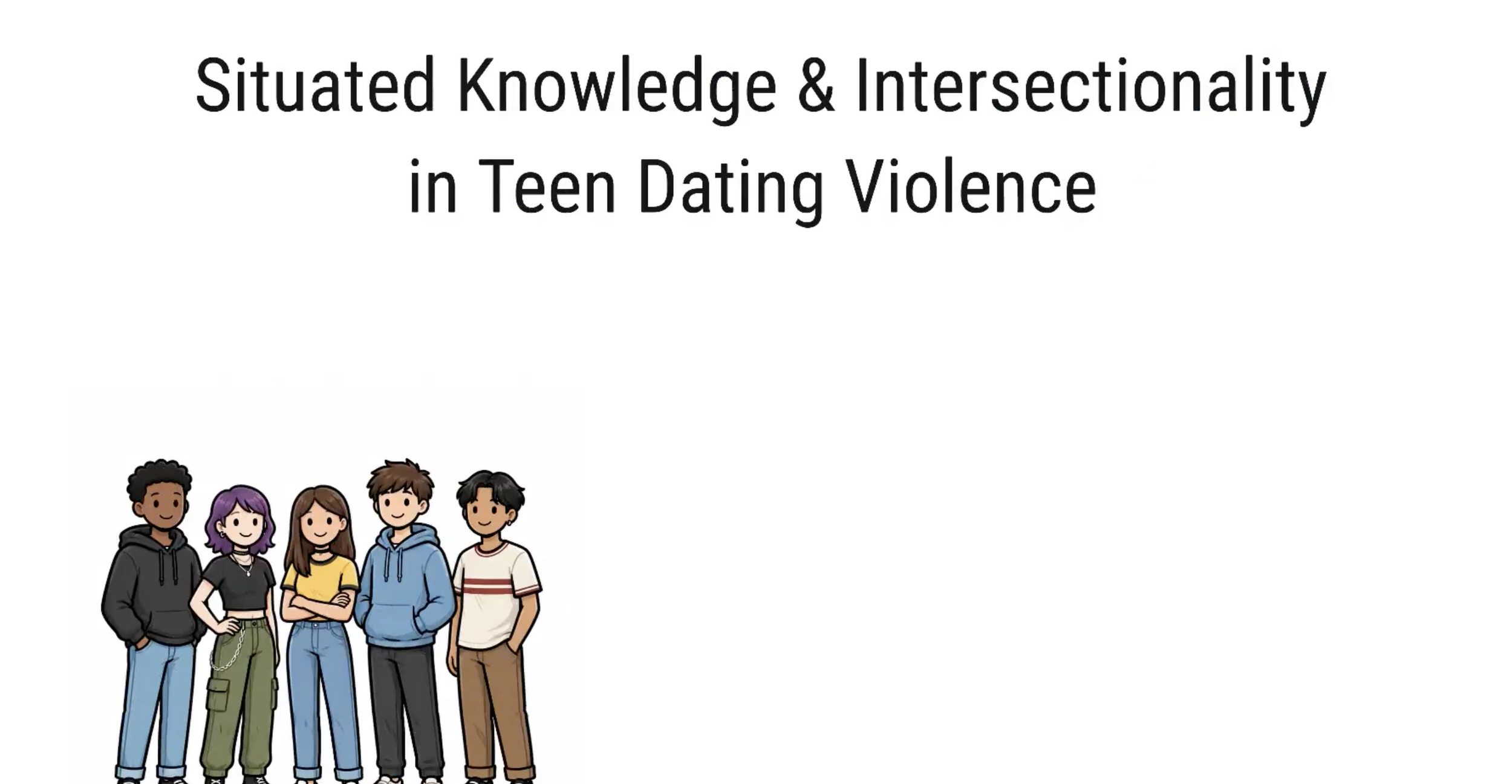
Who do we imagine when we think of a victim of violence? This video introduces intersectionality and challenges assumptions that can make some experiences of violence more visible than others.
Seeing Beyond Stereotypes
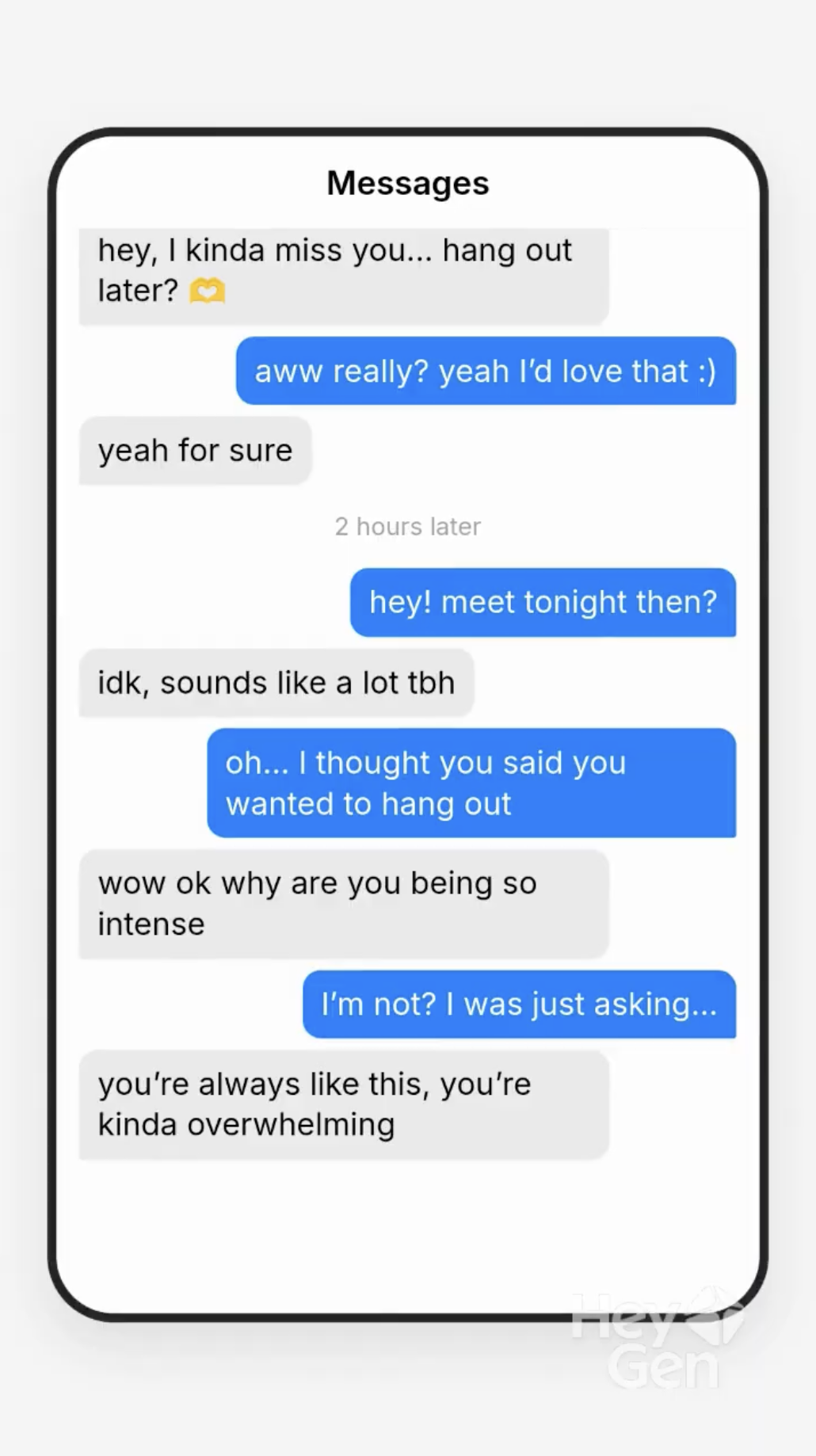
Not all harmful behaviours are easy to recognise. This video explores how manipulation can appear in young people's relationships, including tactics such as gaslighting, and why recognising these behaviours is important for prevention, support, and safety.
Understanding Manipulation

Consent should be freely given, both offline and online. This video explores how pressure, coercion, and manipulation can influence decisions around sharing intimate content and why respecting boundaries is essential for healthy relationships.
Consent and Pressure
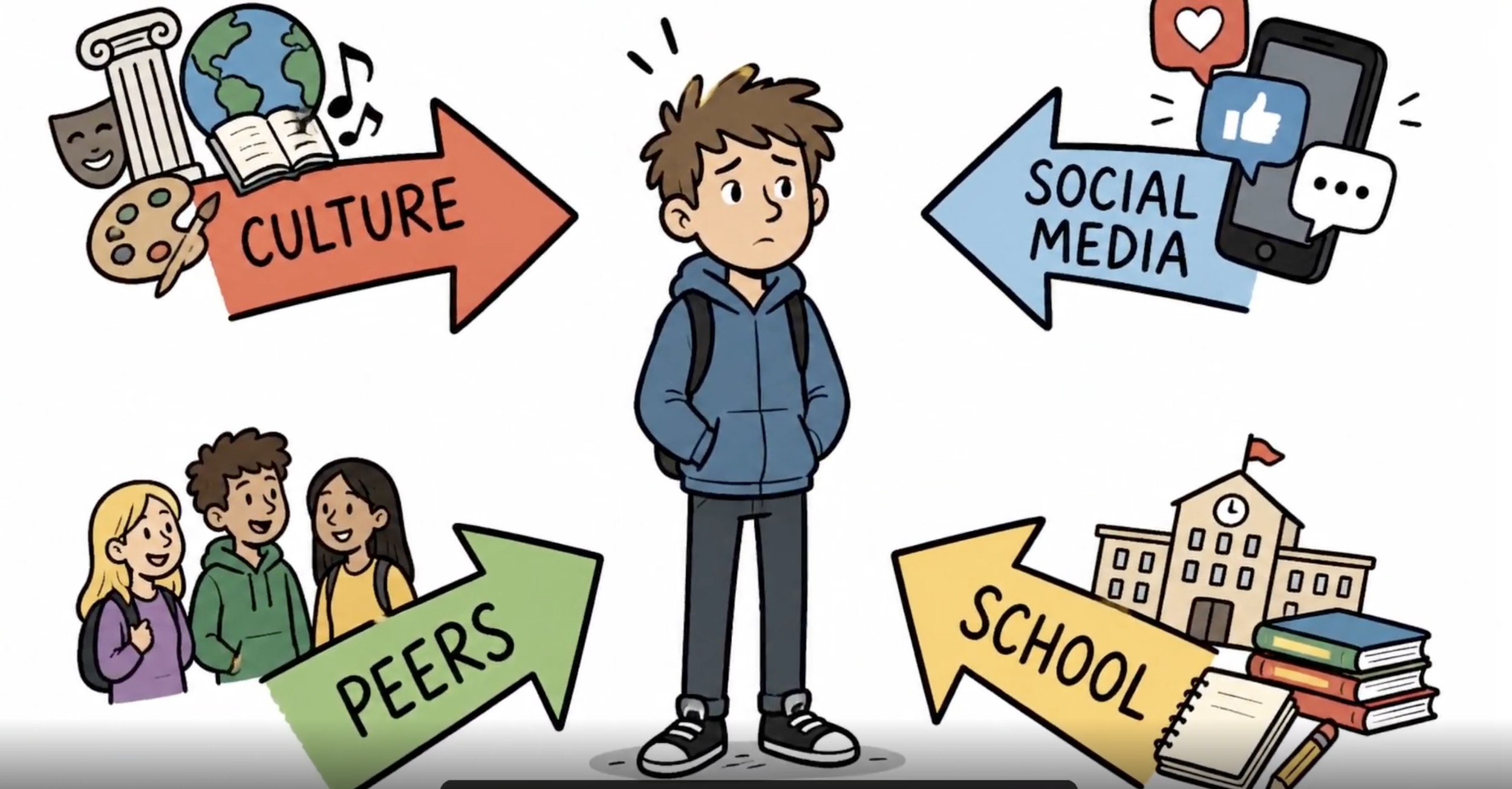
Gender, Social Media and Young People's Relationships
How do gender norms, online cultures, and social media shape the way young people understand relationships? Explore some of the influences that affect identity, expectations, and experiences of violence today.
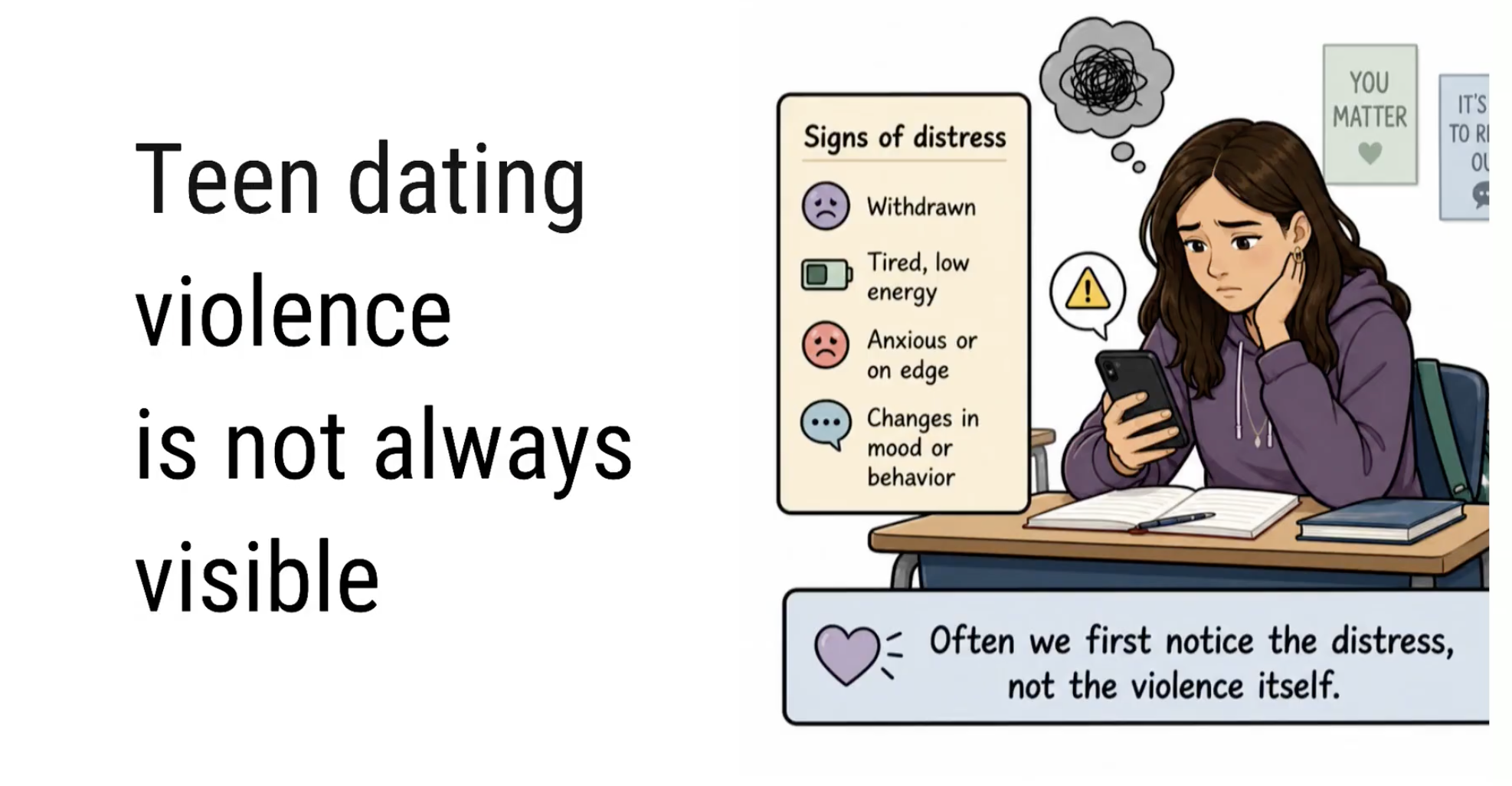
Teen dating violence is not always immediately visible. Learn about some of the indicators that may signal distress and why observation, listening, and context matter in supporting young people.
Recognising the Signs
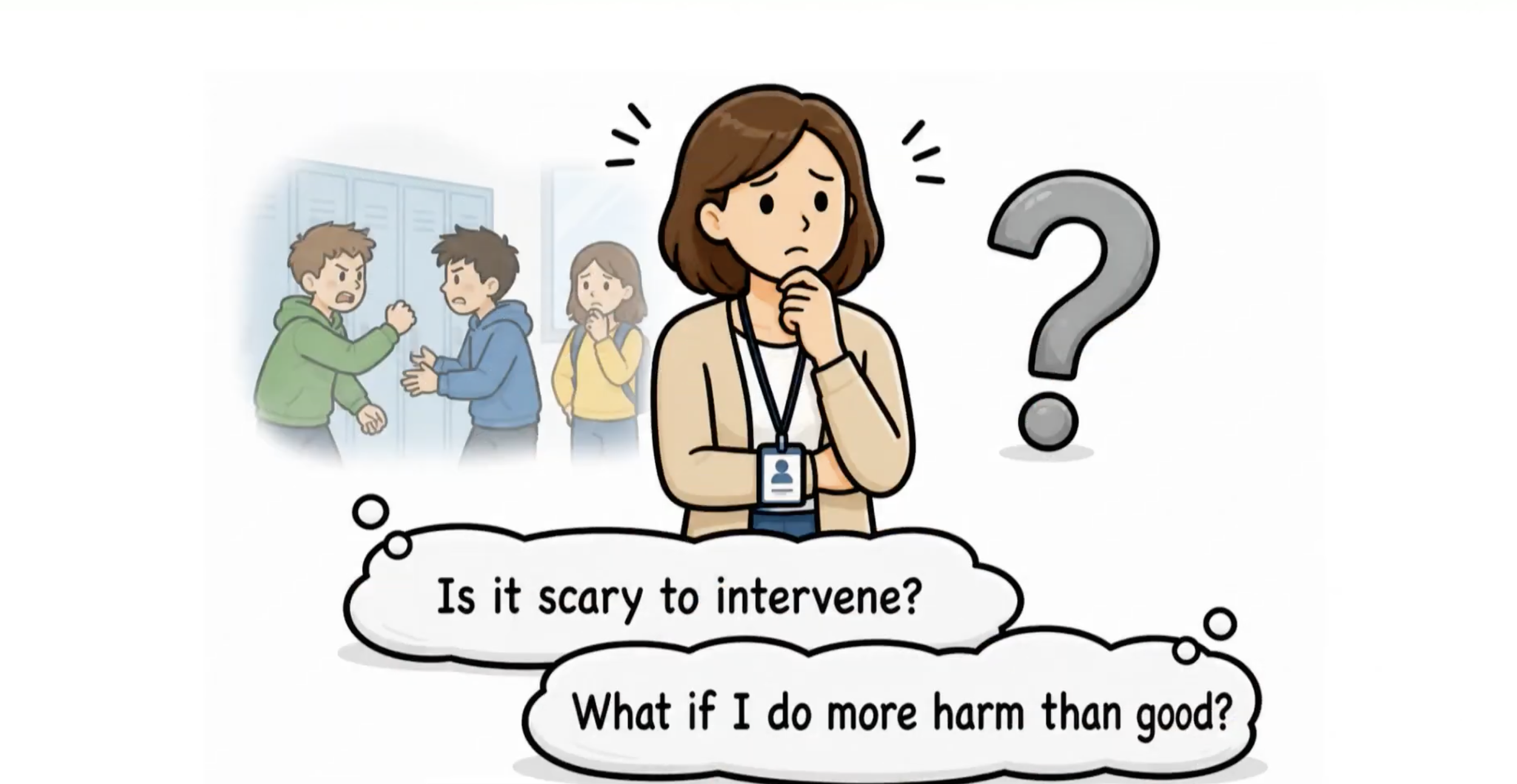
Intervening can feel challenging, especially when we fear making mistakes. This video reflects on the role educators can play in responding to concerns, offering support, and helping young people access protection.
When Doing Nothing Is Not an Option